
Teknik Rehber
What Is a CO2 Sensor? How Is It Used to Improve Indoor Air Quality?
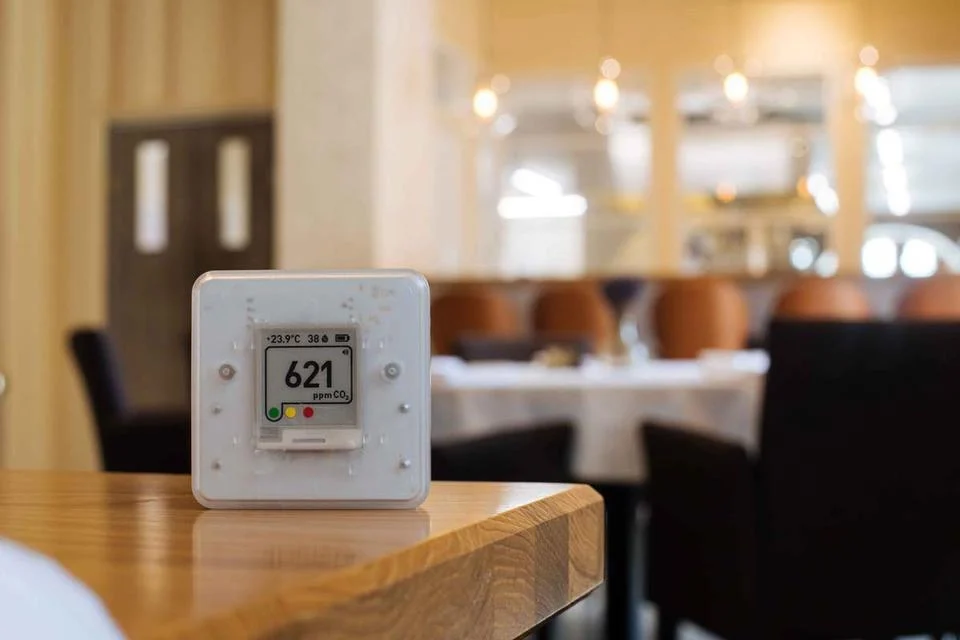
CO2 sensors are devices that measure the concentration of carbon dioxide (CO2) in the environment in ppm (parts per million) and play a critical role in monitoring air quality. Users who search Google for “how does a CO2 sensor work” or “how to improve indoor air quality” want to learn both how these sensors work technically and their practical benefits. CO2 levels are important for human health, comfort and energy efficiency, especially indoors. High CO2 levels (above 1000 ppm) can cause fatigue, loss of concentration and health problems, while low levels provide a healthy environment.
How CO2 Sensors Work
CO2 sensors are usually based on NDIR (Non-Dispersive Infrared) technology. In this method the sensor uses an infrared light source, and CO2 molecules absorb this light at specific wavelengths. The CO2 concentration is calculated by measuring the amount of absorption. NDIR sensors offer high accuracy (for example ±50 ppm) and a long life, which makes them ideal for industrial and home applications. Some models work together with temperature and humidity measurement to provide versatile data. The output is usually transmitted with digital (I²C, UART) or analog signals, so it can easily be connected to microcontrollers or automation systems.
Where Is It Used?
CO2 sensors are widely used in many areas where air quality is critical:
- Indoor Air Quality Monitoring: In offices, schools and hospitals they optimise ventilation systems by monitoring CO2 levels. For example, ventilation can start automatically at levels above 800 ppm, which saves energy.
- HVAC Systems: In heating, ventilation and air conditioning systems, adjusting ventilation according to the CO2 level saves energy by avoiding unnecessary air exchange.
- Educational Institutions: High CO2 levels in classrooms can reduce students’ attention. Sensors improve the learning environment by controlling the fresh air intake.
- Industrial Safety: Used in factories or laboratories to monitor the risk of gas leaks. For example, CO2 build-up can be dangerous in chemical production.
- Home Automation: In smart home systems, CO2 sensors monitor air quality and alert users to ventilate. For example, a smart device can send a notification at 1200 ppm.
- Agriculture and Greenhouses: CO2 levels need to be optimised for plant growth. For example, 800-1000 ppm CO2 in greenhouses can increase photosynthesis.
- Healthcare: In hospitals, especially in intensive care units, CO2 levels are tightly controlled for patient comfort and safety.
Why Is a CO2 Sensor Needed?
CO2 build-up indoors directly affects human health and productivity. Research shows that CO2 levels above 1000 ppm are associated with headaches, drowsiness and loss of attention, and many indoor air quality guidelines also use 1000 ppm as a reference value for adequate ventilation. Manual ventilation is usually insufficient or wastes energy. CO2 sensors trigger automatic ventilation systems by providing real-time data, which both protects health and reduces energy consumption. For example, CO2-based ventilation in an office can reduce ventilation costs by running only when needed. Users research these advantages with questions such as “how does a CO2 sensor improve air quality” or “why is indoor CO2 measurement important”.
The Solution: Sensirion SCD30 CO2 Sensor
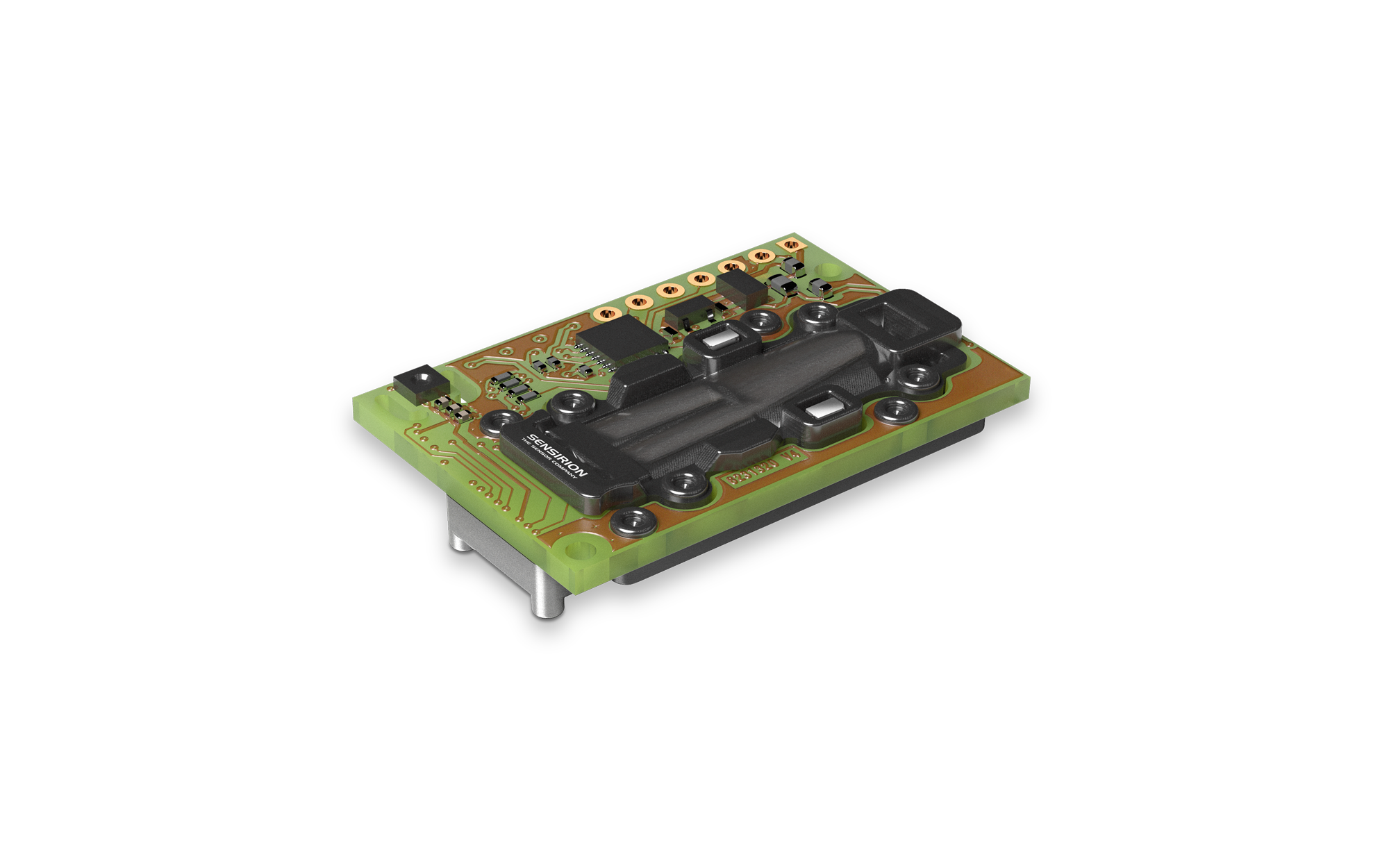
For those looking for high precision and reliability, Sensirion’s SCD30 CO2 sensor is a strong option. With NDIR technology this sensor measures CO2 in the 0–40,000 ppm range and offers an accuracy of ±(30 ppm + 3% of the measured value) in the 400–10,000 ppm range. With its integrated humidity and temperature measurement (humidity: ±3% RH, temperature: ±0.4 °C at 25 °C) it also provides versatile data. Its low power consumption (an average of 19 mA at a 2-second measurement interval), 3.3–5.5 V supply and I²C, UART (Modbus) and PWM outputs offer easy integration with Arduino, Raspberry Pi or industrial control systems. The operating temperature range for CO2 measurement is 0–50 °C and the operating humidity range 0–95% RH (non-condensing). The -40 to +70 °C values in the datasheet refer to the storage temperature and the measuring range of the internal temperature sensor. With these features the SCD30 is ideal for indoor applications such as offices, schools and HVAC.
You can source this sensor in Türkiye through Fark Tedarik:
The SCD30 is ideal especially for HVAC systems, smart home devices and industrial air quality monitoring projects. Its compact design and automatic calibration feature reduce maintenance needs and provide long-term reliability. For more information you can visit the Fark Tedarik website or contact us for technical support: https://farktedarik.com/iletisim/.
Additional Advantages and Usage Tips
The SCD30 stands out in applications that require data logging and long-term monitoring. For example, when used to monitor classroom air quality in a school, it supports students’ health and academic performance by logging CO2 levels daily. The sensor’s dual-channel NDIR design increases measurement accuracy while being resistant to environmental noise. In addition, thanks to Sensirion’s advanced algorithms the sensor automatically adapts to environmental conditions, which reduces the calibration frequency.
The CO2 level is an important indicator of indoor air quality, but it is not enough on its own. To monitor gases released from paint, furniture and cleaning products, take a look at our what is a VOC sensor article, and to track air flow and filter clogging in ventilation ducts, our differential pressure sensor guide.
If you want to improve indoor air quality or increase safety in industrial processes, we recommend that you consider the technical specifications of the SCD30. Fark Tedarik’s expert team is ready to offer solutions tailored to your project: https://farktedarik.com/iletisim/. Take action now to create a healthier and more efficient environment with CO2 sensors!