
Teknik Rehber
What Is a Humidity and Temperature Sensor? How Is It Used in Industrial and Everyday Applications?
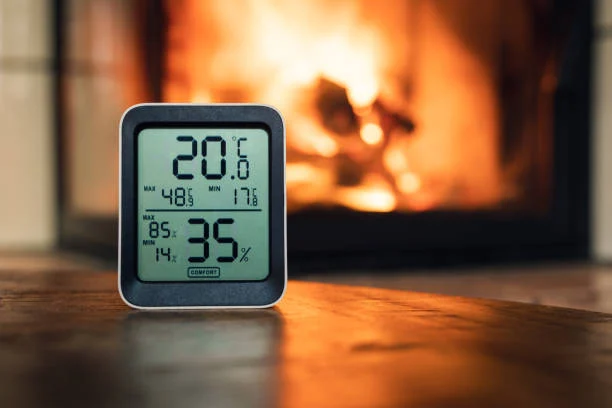
Humidity and temperature sensors are devices that measure environmental conditions precisely and play a critical role in many areas of modern technology. Humidity sensors measure the relative humidity (RH) of the air as a percentage, while temperature sensors detect thermal changes, usually in Celsius or Fahrenheit. The combination of these two measurements matters across a wide range, from industrial processes to everyday applications. Users who search Google for “how does a humidity sensor work” or “what is a temperature sensor used for” want to understand how these devices work technically and their practical benefits.
How Humidity and Temperature Sensors Work
Humidity sensors are usually based on capacitive or resistive technologies. In capacitive sensors, a change in humidity affects the capacitance of a dielectric material, and the humidity is calculated by measuring this change. Resistive sensors use the change in the electrical resistance of a humidity-sensitive material. Temperature sensors work with thermistors, thermocouples or semiconductor-based elements. For example, the resistance of an NTC thermistor decreases as the temperature rises, and this data is recorded precisely. Sensors with digital output connect easily to microcontrollers, usually via interfaces such as I²C or SPI, and offer high precision such as ±2% RH humidity accuracy and ±0.2 °C temperature accuracy. These technical specifications are critical especially in industrial automation and in applications that require precise measurement.
Where Is It Used?
Humidity and temperature sensors have a very wide range of applications and meet unique needs in different sectors. Here are some key application areas:
- HVAC Systems (Heating, Ventilation and Air Conditioning): Used to optimise air quality indoors. For example, keeping humidity between 40-60% RH in an office both provides comfort and increases energy efficiency. Sensors prevent unnecessary energy consumption by controlling ventilation systems automatically.
- Agriculture and Greenhouse Management: Maintaining ideal humidity and temperature conditions is critical for plant growth. Sensors can trigger automatic irrigation systems or optimise greenhouse climate control. For example, tropical plants need humidity above 70% RH, while some grains grow at lower humidity levels.
- Medical and Pharmaceutical Sector: Controlling environmental conditions is essential in drug storage or medical devices. Sensitive products such as vaccines must be stored at 2-8 °C and within certain humidity ranges. Sensors ensure that these conditions are monitored and recorded continuously.
- Automotive Industry: Temperature and humidity are tracked in vehicle climate control systems or battery management systems. For example, temperature control is vital for optimising battery performance in electric vehicles.
- Home Automation and Smart Devices: Smart thermostats and air quality monitors use these sensors to increase comfort and save energy at home. For example, a smart thermostat automatically adjusts heating or cooling based on temperature and humidity data.
- Industrial Production: In sensitive processes such as circuit board production or food packaging, humidity and temperature directly affect product quality. High humidity can cause corrosion, while low humidity increases the risk of static electricity.
Why Is a Humidity and Temperature Sensor Needed?
Controlling environmental conditions makes a big difference both economically and operationally. Manual measurements are time-consuming and have a high margin of error. Automatic sensors solve these problems with real-time data collection, data logging and alarm systems. For example, if the humidity in a warehouse exceeds 65% RH an automatic warning system can be triggered, preventing product damage. Sensors also play a critical role in energy efficiency, they can save energy by preventing unnecessary operation in HVAC systems. Users research these advantages with questions such as “why is an industrial humidity sensor important” or “does a temperature sensor save energy”.
The Solution: Sensirion SHT30-DIS-B Humidity and Temperature Sensor
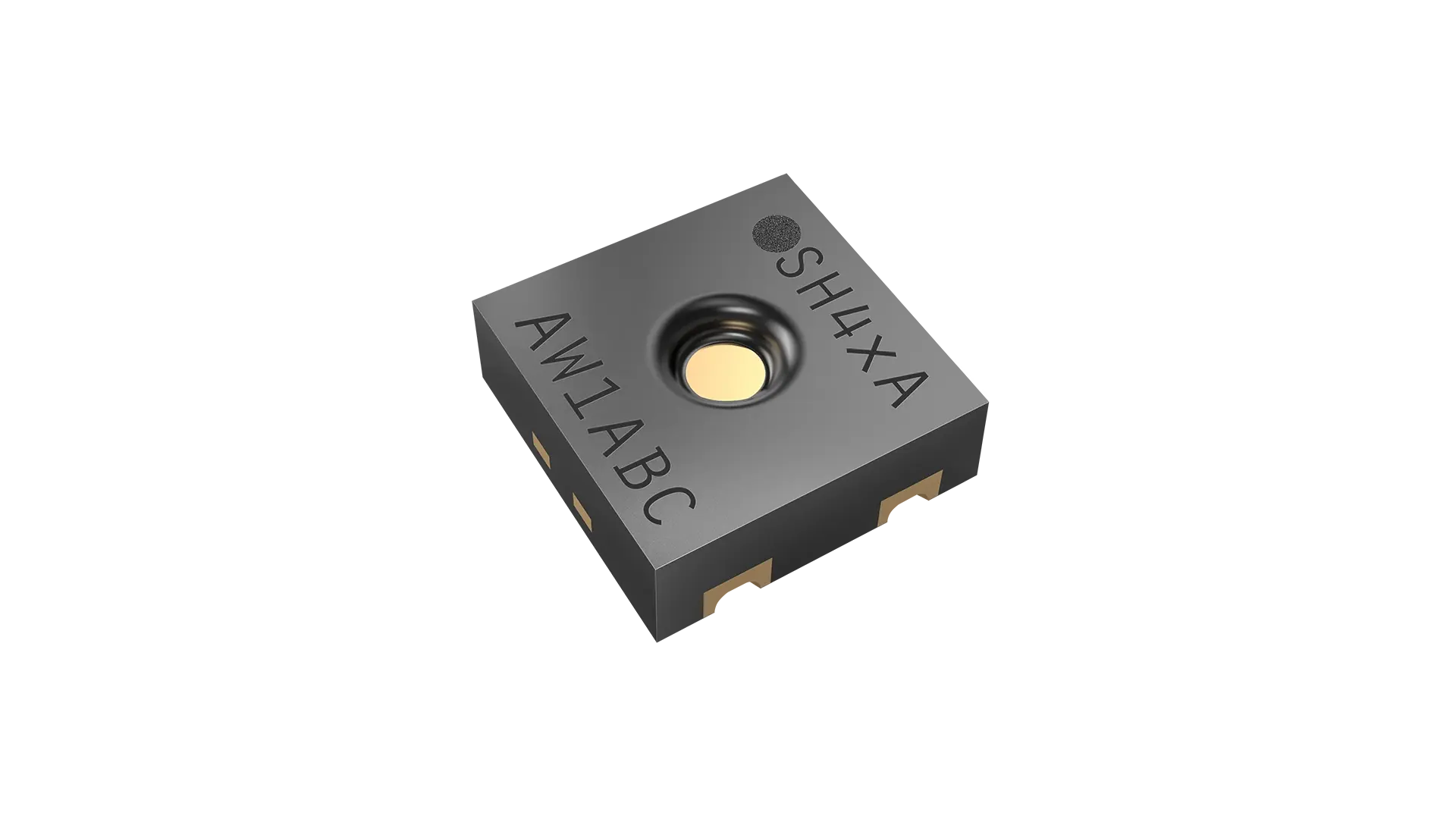
If you are looking for high precision and reliability, Sensirion’s SHT30-DIS-B is an ideal choice for industrial and professional applications. This sensor offers ±2% RH humidity accuracy (in the 10-90% RH range) and a typical temperature accuracy of ±0.2 °C in the 0–65 °C range. With its low power consumption (typically 0.2 µA idle in single-shot mode, an average of 1.7 µA at one measurement per second) and wide operating voltage (2.15-5.5 V) it can be used both in battery-powered devices and in fixed systems. The I²C interface allows easy integration with platforms such as Arduino, Raspberry Pi or industrial PLCs. In addition, its operating temperature range of -40 °C to +125 °C offers reliability even in harsh industrial environments.
You can source this sensor in Türkiye through Fark Tedarik.
The product has a wide range of applications, from HVAC systems to medical devices, and can be integrated easily thanks to its compact design. For more information you can visit the Fark Tedarik website, review the technical documents or request a quote directly.
Additional Advantages and Usage Tips
The SHT30-DIS-B stands out especially in applications that require data logging. For example, by continuously logging temperature and humidity data in a food warehouse you can document product safety. The fact that the sensor does not require calibration reduces maintenance costs in long-term use. The SHT30-DIS-B has no filter, for dusty or humid industrial environments, filtered versions that protect the sensor element with a PTFE membrane (e.g. SHT35-DIS-F) can be preferred.
If your project only needs temperature measurement, we compared the Sensirion STS31 and the DS18B20 in our digital temperature sensor article. If you also want to monitor indoor air quality besides humidity and temperature, our what is a VOC sensor guide is a good place to start.
If you are looking for a reliable solution for humidity and temperature control in your projects, we recommend that you consider the technical specifications and ease of use of this sensor. With the support offered by Fark Tedarik, you can contact us now for solutions tailored to your needs: https://farktedarik.com/iletisim/.